
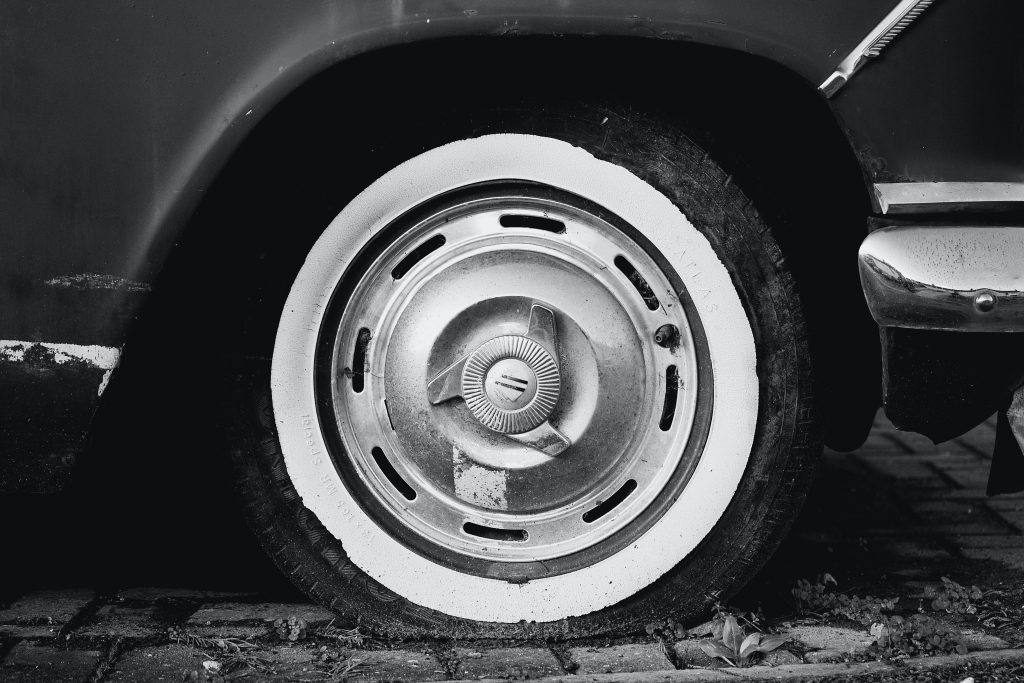
Changing a flat tire is an unavoidable and infuriating part of owning a vehicle. Knowing how to change a flat tire is essential for all drivers and can save time, money, and frustration on the road. However, the process can seem overwhelming, especially for those who have never done it before. This comprehensive step-by-step guide aims to equip you with the knowledge and understanding to change a flat tire confidently in Australia. Equipped with the proper tools and techniques, you can confidently and efficiently manage a flat tire, whether you’re setting off on a cross-country adventure or just heading to the office. Get ready with your safety gear, grab your tools, and let’s learn how to change a flat tire in Australia.
Prepare your tools and materials.
Gather tools and materials before changing a flat tire in Australia. This way, you can save time and avoid unnecessary frustrations during the tire-changing process. Make sure you have these essential items: a spare tire, a jack, a lug wrench or tire iron, a flashlight, wheel chocks or bricks, and a reflective vest or warning triangle for enhanced safety. It is also recommended to keep a pair of gloves and a kneeling pad handy to protect yourself while working. Before changing a tire, make sure to carefully check all the tools and materials in your vehicle. This careful inspection ensures that everything is in perfect working order and readily available when needed. This step is vital for a successful tire-changing endeavour. Having the right tools will make all the difference in regard to changing a flat tire in Australia.
Lift the car safely.
To ensure a safe and successful tire change, it is crucial to lift the car properly. Find the jack points on your vehicle. These points are typically marked by notches or arrows on the underside of the car. These points are specifically designed to support the weight of the vehicle and prevent damage to the body or frame. Once identified, position the jack securely under one of these points and ensure it is aligned correctly. Slowly pump the jack handle until the car is lifted off the ground, making sure it is stable and balanced. Always remember to never put any part of your body under the vehicle while it is raised. It’s important to use jack stands for extra support and safety. To change a flat tire safely and without harm to yourself or your vehicle, follow these precautions and use proper lifting techniques.
Remove the flat tire.
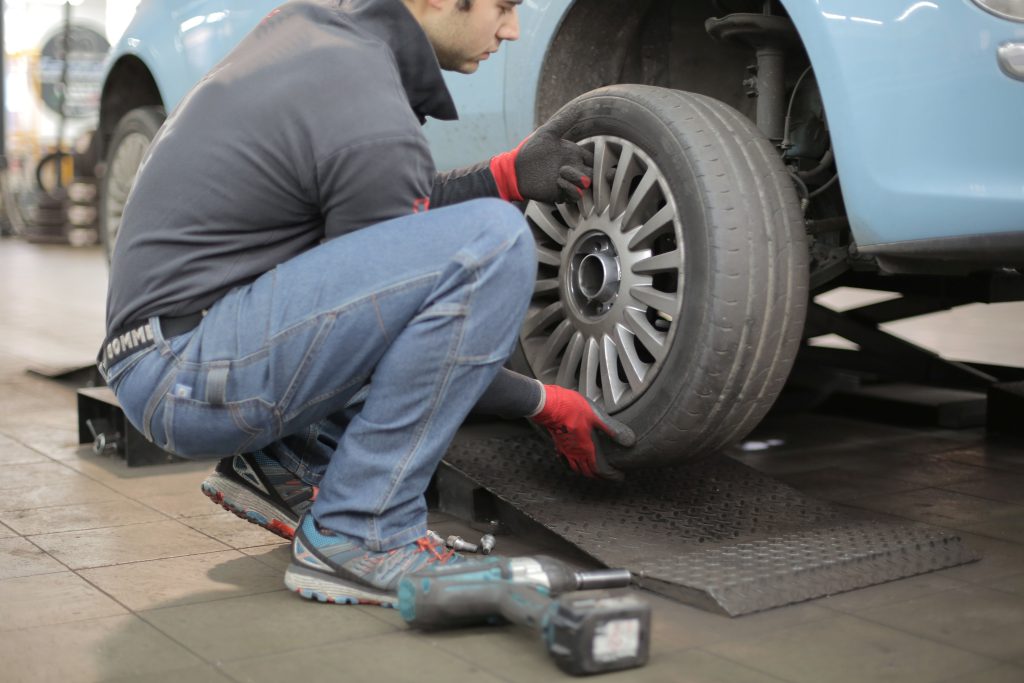
Now that the car is securely lifted, it’s time to remove the flat tire. To start, utilise a lug wrench to loosen the tight lug nuts that hold the tire in place. Please remember that these lug nuts can be quite stubborn. To effectively loosen them, make sure to apply a strong and steady force in a counterclockwise direction. Once the lug nuts are loosened, unscrew them by hand and be cautious to keep them in a safe spot where they won’t roll away. To effectively remove the lug nuts, firmly seize the flat tire with both hands and smoothly draw it towards yourself, ensuring that it dislodges from the wheel studs. Set the flat tire aside and prepare to install the spare tire. Refer to the following section of this guide for the next set of instructions.
Install the spare tire.
Securely mount the spare tire onto the wheel studs, ensuring a snug fit against the hub. Hand-tighten the lug nuts in a star pattern and then firmly turn them clockwise with a lug wrench. Lastly, make sure to carefully check the tightness of every lug nut. The spare tire has been installed correctly. You can now continue your journey safely with confidence.